Superior Memory Care Programs: Why They Are Essential for Loved Ones
Quality memory care services function as an essential element for families dealing with the complexities of dementia. These services provide personalized support that addresses both the demands of individuals and their caregivers. By fostering protection, comfort, and interpersonal bonds, quality care tends to reduce feelings of isolation. However, not all dementia care providers are equivalent. Knowing what to seek out can significantly influence the welfare of those affected. What key characteristics should families emphasize?
 }
}Dementia: Difficulties and Solutions
Dementia offers a complicated range of challenges for individuals, families, consult now and caregivers alike. The mental deterioration linked to dementia impacts memory, reasoning, and daily functioning, complicating routine tasks and increasing reliance on others. Families often struggle with the psychological burden of witnessing their loved ones' deterioration, resulting in feelings of helplessness and frustration. Caregivers face the burden of managing physical care while navigating the unpredictable behaviors associated with the condition.
To address these challenges, quality memory care services deliver organized settings created to enhance the quality of life for individuals with dementia. Such programs generally include specialized training for personnel, customized engagement activities, and therapeutic interventions intended at maintaining mental abilities. Additionally, these facilities offer relief for loved ones, allowing them to refresh while guaranteeing their family members receive appropriate care. In the end, effective solutions can considerably reduce the burdens associated with dementia, fostering a supportive atmosphere for all involved.
Psychological Assistance for Family Units
Providing care for a family member dealing with mental deterioration can place significant emotional strain on families. The strain of daily caregiving responsibilities frequently causes feelings of isolation, anxiety, and grief. People in the family may battle with the gradual loss of their family member's identity, evoking a deep feeling of melancholy. This mental load can affect not only the main caretaker but also siblings and extended family, resulting in strained relationships and increased tension.
Attaining emotional support is vital for groups working through these challenges. Support groups, therapeutic support, and local resources can furnish an forum for expressing experiences and using stress relief techniques. Connecting with others who understand comparable struggles generates a feeling of inclusion and diminishes feelings of isolation. In the final analysis, prioritizing emotional well-being is essential for families, as it empowers them to give caring support while also upholding their own mental health.
Why Dedicated Memory Services Matters
Specialized memory care plays an indispensable role in enhancing the quality of life for individuals facing cognitive decline. These programs are designed to fulfill the unique needs of residents with conditions such as Alzheimer's or other forms of dementia. Experienced staff members understand the complexities of cognitive impairments and implement tailored approaches that promote engagement and comfort.
Within a specialized environment, residents benefit from structured routines that help reduce anxiety and confusion. Activities are crafted to stimulate cognitive function and support social interaction, creating a sense of community. Moreover, the focus on safety and security guarantees that individuals can explore their surroundings without excessive risks.
Families commonly gain peace of mind knowing their loved ones are receiving dedicated care in a supportive atmosphere. Overall, specialized memory care not only addresses physical needs but also nurtures emotional well-being, making it a crucial component of care for those struggling with cognitive decline.
Critical Factors to Determine in Memory Care Properties
When considering memory care institutions, what key elements should relatives emphasize? Principally, safety measures are important. Institutions should provide protected areas that minimize wandering, with components like secured yard areas and monitored entry points. Additionally, attendant-to-resident ratios are essential; superior ratios often signify more tailored attention and attention.
Afterward, families should evaluate the qualifications and training of attendants. Team members should be trained in cognitive decline management, making sure they recognize the particular demands of residents. Programming and activities intended to promote cognitive function and peer engagement also represent a significant factor, as they improve quality of life.
Moreover, loved ones should consider the facility's cleanliness and overall atmosphere. A hospitable atmosphere can significantly influence residents' well-being. Finally, clarity regarding costs and services is vital, allowing family members to take educated action. By emphasizing these essential features, family members can select the optimal memory care facility for their loved ones.
The Way Quality Memory Care Uplifts Dignity and Comfort
Outstanding memory care solutions center on esteem and contentment through personalized techniques that respond to particular wants. Personalized care plans, integrated with kind staff relationships, generate a encouraging environment for residents. Also, secure and interactive settings foster a sense of belonging and health, advancing the complete standard of living.
Bespoke Support Plans
Personalized care programs play an important role in improving the dignity and comfort of individuals in memory care facilities. These customized methods consider each resident's unique history, preferences, and cognitive abilities, ensuring that care is not only effective but also dignified. By involving families in the development of these plans, facilities foster a cooperative environment that prioritizes the individual’s needs and wishes. This customization enhances the sense of identity and autonomy, allowing residents to engage in activities that resonate with their past experiences. Additionally, personalized care plans can adapt over time, responding to changing needs and preferences. Such attention to individuality greatly contributes to a higher quality of life, promoting emotional well-being and a sense of belonging within the care community.
Empathetic Staff Relations
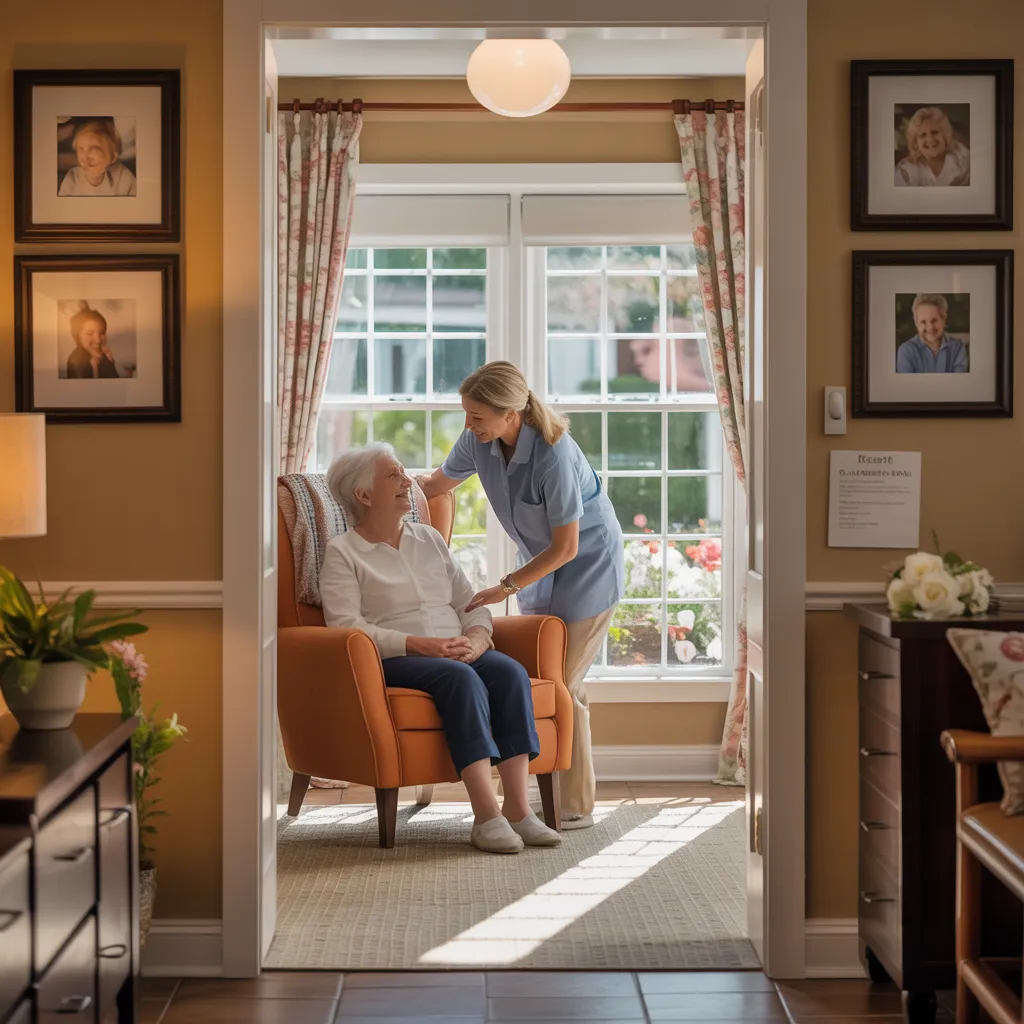
Effective memory care relies on not only personalized care plans but also on the considerate communications between staff and residents. These interactions encourage an atmosphere of trust, critical for persons dealing with memory loss challenges. Compassionate staff members approach each resident with compassion, noting their unique histories and emotional needs. By engaging in meaningful conversations and showing forbearance, these caregivers enhance the dignity of each individual, making sure they feel valued and understood. This approach not only mitigates anxiety but also promotes a sense of belonging, crucial for emotional well-being. Ultimately, quality memory care thrives when staff prioritize compassionate engagement, changing care from a routine task into a caring experience that puts emphasis on comfort and respect.
Trustworthy, Fascinating Atmospheres
Creating a safe and stimulating environment is essential for enhancing dignity and comfort in memory care settings. Quality memory care facilities emphasize safe surroundings, reducing hazards associated with wandering or accidents. Carefully crafted spaces promote independence, enabling residents to navigate freely while feeling protected. Engaging activities, tailored to individual interests, boost cognitive function and foster social connections among residents. Such environments encourage participation, lessening feelings of isolation and improving overall well-being. Additionally, the atmosphere should convey warmth and familiarity, incorporating personal touches that connect with each resident’s history. By integrating safety with engagement, memory care services not only copyright the dignity of individuals but also provide a comforting haven where they can thrive amidst their challenges.
Community Support and Its Significance in Enhancing Brain Health Care
Community support represents an essential role in strengthening memory care services by cultivating interpersonal bonds and bonding among individuals. Access to resources within the community can significantly boost the quality of care, presenting essential tools and details. Moreover, enhanced social engagement opportunities lead to the overall welfare of those touched by memory challenges.
Emotional Relationship and Connection
Emotional connections serve as a foundation in memory care, fostering an atmosphere where individuals are valued and understood. In memory care settings, community support nurtures meaningful connections among residents, caregivers, and families. These bonds not only enhance emotional well-being but also promote a feeling of belonging. When caregivers engage with empathy with residents, they create a safe space for sharing feelings and experiences, which can alleviate feelings of isolation. Additionally, group activities and social interactions encourage residents to connect with one another, reinforcing their sense of identity and purpose. This emotional foundation greatly impacts the overall quality of care, as individuals thrive when they feel connected, ultimately leading to improved cognitive function and a better quality of life.
Gaining Entry to Resources
Access to resources plays a pivotal role in improving memory care services, building upon the strong emotional connections formed among residents and caregivers. Community support provides vital tools and information that enable families to make informed decisions about care options. Local organizations often provide educational workshops, respite services, and support groups, which can ease the burden on caregivers and enhance their understanding of dementia-related challenges. Access to qualified professionals, such as social workers and therapists, further enriches the care experience. Additionally, collaboration with nearby healthcare facilities ensures that residents receive thorough and coordinated care. Overall, a robust network of community resources fosters a supportive environment that greatly improves the quality of life for individuals with memory impairments and their families.
Improved Community Engagement
How can strengthened community involvement reshape the lives of individuals with cognitive disorders? Engaging socially within a nurturing group offers emotional and cognitive benefits that are crucial for those facing memory challenges. Participation in group activities fosters connections, minimizing feelings of isolation and loneliness. These exchanges activate brain activity, keeping existing skills and potentially slowing cognitive decline. Additionally, group backing encourages a feeling of inclusion, which can substantially boost mood and overall well-being. Memory care facilities that prioritize social engagement create environments where individuals can forge meaningful relationships, enhancing quality of life. This communal approach not only serves residents but also provides families with peace of mind, being aware their loved ones are prospering in a caring climate.
Long-Term Benefits of Quality Memory Care
While many families may initially seek memory care services primarily for direct aid, the long-term rewards of quality memory care extend far beyond short-term relief. These services not only provide essential daily assistance but also nurture a structured environment that supports cognitive engagement and emotional well-being. Through tailored activities and therapeutic interventions, residents can experience improvements in memory retention and overall mental health.
Additionally, excellent memory care encourages a sense of community, minimizing feelings of isolation and anxiety often related to memory disorders. This supportive atmosphere serves families by easing stress and providing peace of mind, knowing their loved ones are in capable hands. Moreover, skilled staff members can deliver ongoing counsel, helping families navigate the complexities of dementia care. Ultimately, committing to quality dementia care programs yields meaningful outcomes, enhancing the quality of life for both individuals with memory impairments and their families over the long term.
Popular Inquiries Posed Often
What Are the Ways to Spot Early Indicators of Memory Challenges?
Initial indicators of memory difficulties can consist of frequent forgetfulness, trouble keeping up with discussions, misplacing items, having trouble remembering what just happened, and changes in mood or behavior. Observing these warning signs may justify a medical assessment for additional review.
What Expenses Are Tied to Memory Care Services?
Expenses connected to memory care services fluctuate considerably, typically from $3,000 to $7,000 monthly. Elements influencing pricing include location, facility amenities, and the extent of personalized care demanded by each individual.
How Do I Choose the Right Memory Care Community?
Picking the ideal assisted living community for memory care entails investigating available selections, visiting the sites, assessing staff qualifications, evaluating security standards, looking at engagement programs, and incorporating family feedback, confirming the facility fits with the individual's unique needs and wants.
What Engagement Do Caregivers Show in Memory Care?
Caregivers extend basic assistance in memory care by offering emotional companionship, supporting with daily functions, and putting into action tailored care programs. Their preparation and kindness greatly enhance the life quality for individuals with memory impairments.
Can Memory Care Services Meet the needs of Different Stages of Dementia?
Memory care services can adeptly manage different stages of dementia by tailoring support and therapies to particular needs. This adjustability confirms residents benefit from proper care, strengthening their quality of life throughout the trajectory of the illness.